What Is Psoriasis? Understanding the Different Types and Symptoms
- posted: Dec. 31, 2024
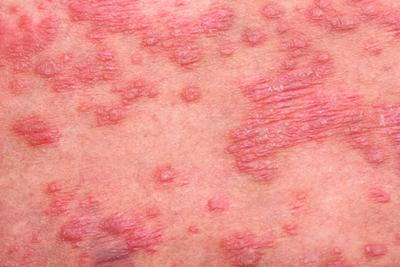
Psoriasis is a skin condition associated with itchiness and thick, scaly patches of skin, as well as other symptoms. There are several types of psoriasis so it is important to see a dermatologist to ensure you have the right treatment for your type. Dr. David Fivenson, is a board-certified dermatologist at Fivenson Dermatology in Ann Arbor, MI, who specializes in the treatment of psoriasis and will develop a treatment plan based on your type, symptoms, and other factors.
Psoriasis
The body regularly sheds old skin cells and then produces new ones. With psoriasis, the body mistakenly makes more skin cells before shedding the old ones. This leads to a build-up of cells that form thick, scaly patches on the skin.
Psoriasis is a lifelong condition which can run in families and for which there is no cure. However, symptoms can be effectively managed with the right treatment. Additionally, it is possible to prevent a flare-up of symptoms by avoiding factors and substances that tend to trigger them. Common triggers include:
- Stress
- Skin injuries
- Hormonal changes
- Autoimmune disorders (e.g., rheumatoid arthritis)
- Using tobacco products or consuming alcohol
- Developing an infection
- Certain medications
- Cold temperatures
Symptoms of Psoriasis
The symptoms of psoriasis are not constantly present. They tend to flare up when a person is exposed to certain triggers. Additionally, individuals with psoriasis might experience different symptoms from one another. Some common symptoms include:
- Itchiness
- Thick, scaly patches of skin
- Dry, cracked skin that sometimes bleeds
- Nails thicken or become ridged
- Joint swelling, pain, or stiffness
- Soreness
- Redness
Types of Psoriasis
There are several different types of psoriasis. It is important to know which type you have so you can avoid certain triggers and ensure the right treatment method is being used. Some different types of psoriasis include:
- Plaque psoriasis — Symptoms include red and inflamed skin with silver-white scales. Most people with psoriasis have this type.
- Inverse psoriasis — Smooth patches form in the folds of the skin, such as the armpits or groin. Friction and sweating can aggravate symptoms.
- Nail psoriasis — Symptoms include pitting, discoloration, thickening, and the development of ridges on the fingernails or toenails.
- Erythrodermic psoriasis — This type is often characterized by redness and inflammation over the majority of the body rather than a specific area. Other symptoms include pain, itching, skin peeling or shedding, nail loss, and shivering.
- Pustular psoriasis — Symptoms include bumps filled with pus that can be painful, as well as red or purple skin discoloration.
- Sebopsoriasis — A combination of psoriasis and seborrheic dermatitis, this type is associated with yellow scaling of the skin on the face and scalp.
Treatments for Psoriasis
The right treatment for psoriasis often depends on the type and symptoms. The experienced dermatology team at our office in Ann Arbor, MI, will develop a psoriasis treatment plan tailored to your needs. Treatment could include various topical medications, biologic medications, UV light therapy, and lifestyle modifications to avoid triggers. We also have opportunities to participate in clinical trials of new medications in development for psoriasis
If you have symptoms of psoriasis, we can help. Schedule an appointment with Dr. Fivenson for the treatment of your psoriasis by calling Fivenson Dermatology in Ann Arbor, MI, at (734) 222-9630.
- posted: Dec. 31, 2024
Psoriasis is a skin condition associated with itchiness and thick, scaly patches of skin, as well as other symptoms. There are several types of psoriasis so it is important to see a dermatologist to ensure you have the right treatment for your type. Dr. David Fivenson, is a board-certified dermatologist at Fivenson Dermatology in Ann Arbor, MI, who specializes in the treatment of psoriasis and will develop a treatment plan based on your type, symptoms, and other factors.
Psoriasis
The body regularly sheds old skin cells and then produces new ones. With psoriasis, the body mistakenly makes more skin cells before shedding the old ones. This leads to a build-up of cells that form thick, scaly patches on the skin.
Psoriasis is a lifelong condition which can run in families and for which there is no cure. However, symptoms can be effectively managed with the right treatment. Additionally, it is possible to prevent a flare-up of symptoms by avoiding factors and substances that tend to trigger them. Common triggers include:
- Stress
- Skin injuries
- Hormonal changes
- Autoimmune disorders (e.g., rheumatoid arthritis)
- Using tobacco products or consuming alcohol
- Developing an infection
- Certain medications
- Cold temperatures
Symptoms of Psoriasis
The symptoms of psoriasis are not constantly present. They tend to flare up when a person is exposed to certain triggers. Additionally, individuals with psoriasis might experience different symptoms from one another. Some common symptoms include:
- Itchiness
- Thick, scaly patches of skin
- Dry, cracked skin that sometimes bleeds
- Nails thicken or become ridged
- Joint swelling, pain, or stiffness
- Soreness
- Redness
Types of Psoriasis
There are several different types of psoriasis. It is important to know which type you have so you can avoid certain triggers and ensure the right treatment method is being used. Some different types of psoriasis include:
- Plaque psoriasis — Symptoms include red and inflamed skin with silver-white scales. Most people with psoriasis have this type.
- Inverse psoriasis — Smooth patches form in the folds of the skin, such as the armpits or groin. Friction and sweating can aggravate symptoms.
- Nail psoriasis — Symptoms include pitting, discoloration, thickening, and the development of ridges on the fingernails or toenails.
- Erythrodermic psoriasis — This type is often characterized by redness and inflammation over the majority of the body rather than a specific area. Other symptoms include pain, itching, skin peeling or shedding, nail loss, and shivering.
- Pustular psoriasis — Symptoms include bumps filled with pus that can be painful, as well as red or purple skin discoloration.
- Sebopsoriasis — A combination of psoriasis and seborrheic dermatitis, this type is associated with yellow scaling of the skin on the face and scalp.
Treatments for Psoriasis
The right treatment for psoriasis often depends on the type and symptoms. The experienced dermatology team at our office in Ann Arbor, MI, will develop a psoriasis treatment plan tailored to your needs. Treatment could include various topical medications, biologic medications, UV light therapy, and lifestyle modifications to avoid triggers. We also have opportunities to participate in clinical trials of new medications in development for psoriasis
If you have symptoms of psoriasis, we can help. Schedule an appointment with Dr. Fivenson for the treatment of your psoriasis by calling Fivenson Dermatology in Ann Arbor, MI, at (734) 222-9630.
Office Hours
Monday
8:00 am - 5:00 pm
Tuesday
8:00 am - 5:00 pm
Wednesday
8:00 am - 5:00 pm
Thursday
8:00 am - 5:00 pm
Friday
Closed
Saturday
Closed
Sunday
Closed
Our Location
3200 W Liberty Road Suite C5
Ann Arbor, MI 48103, US
